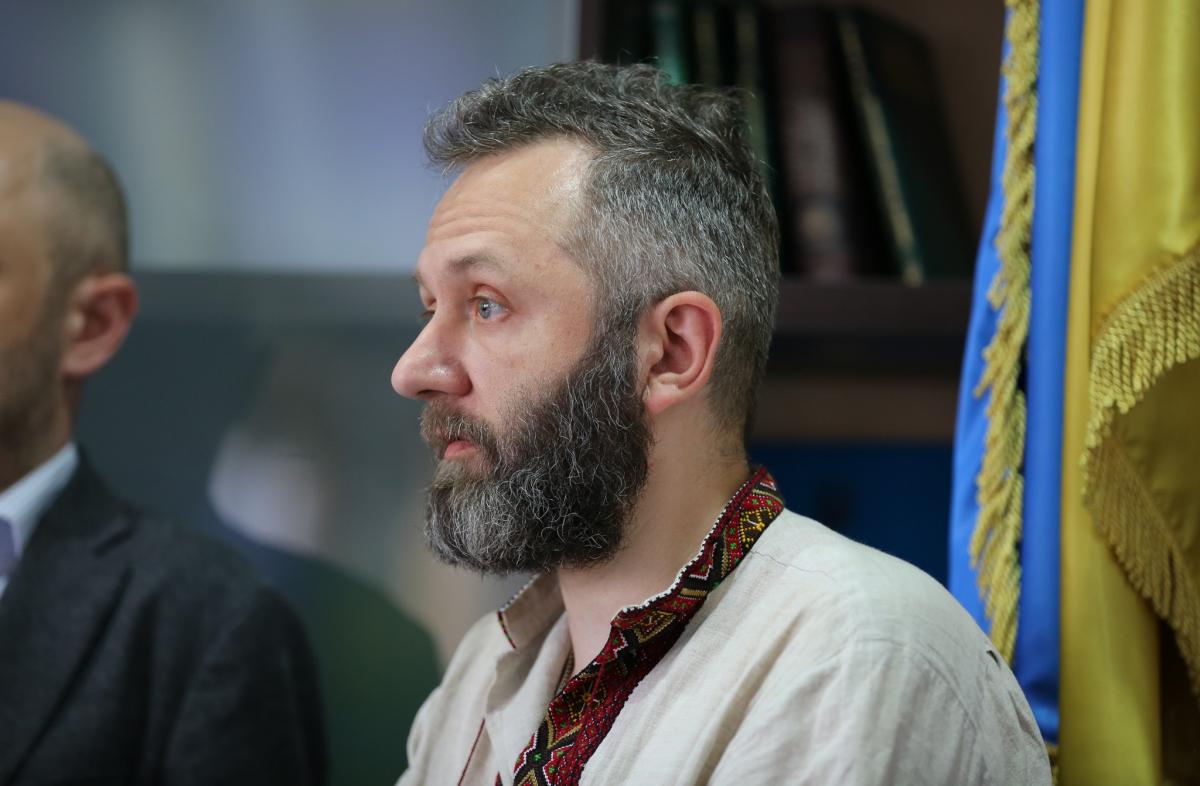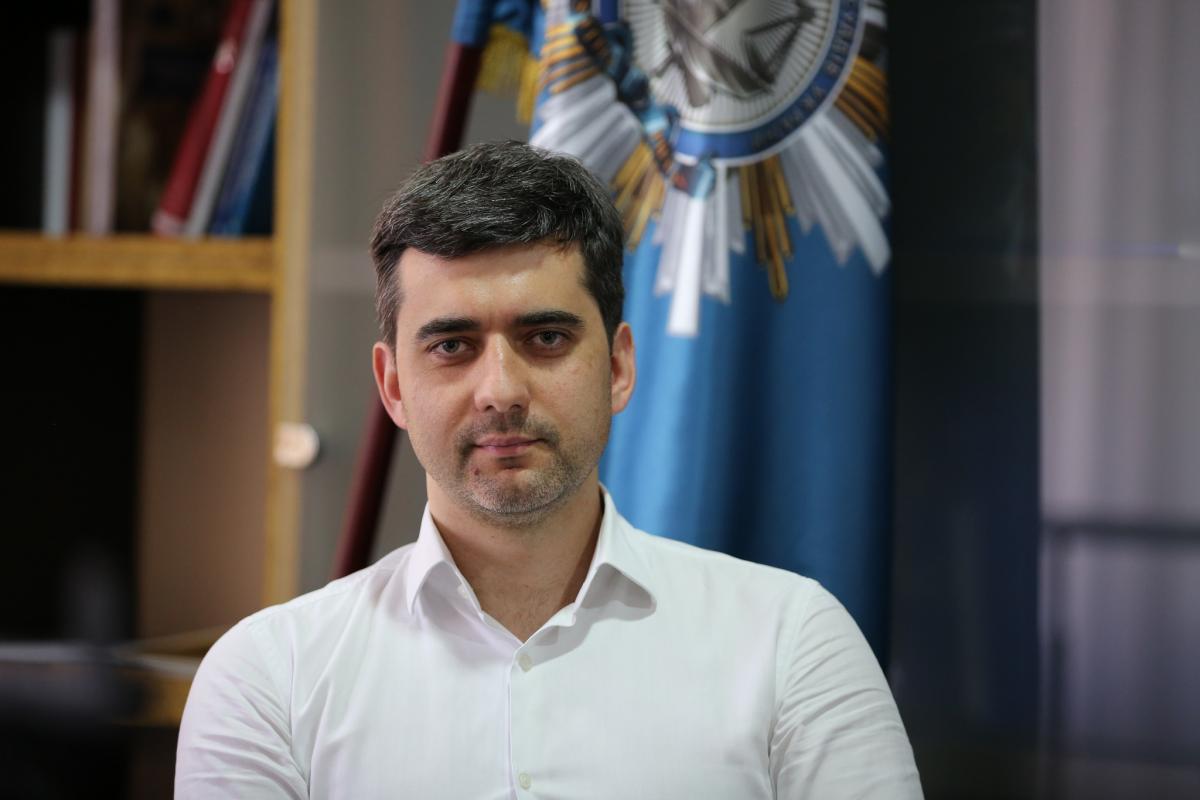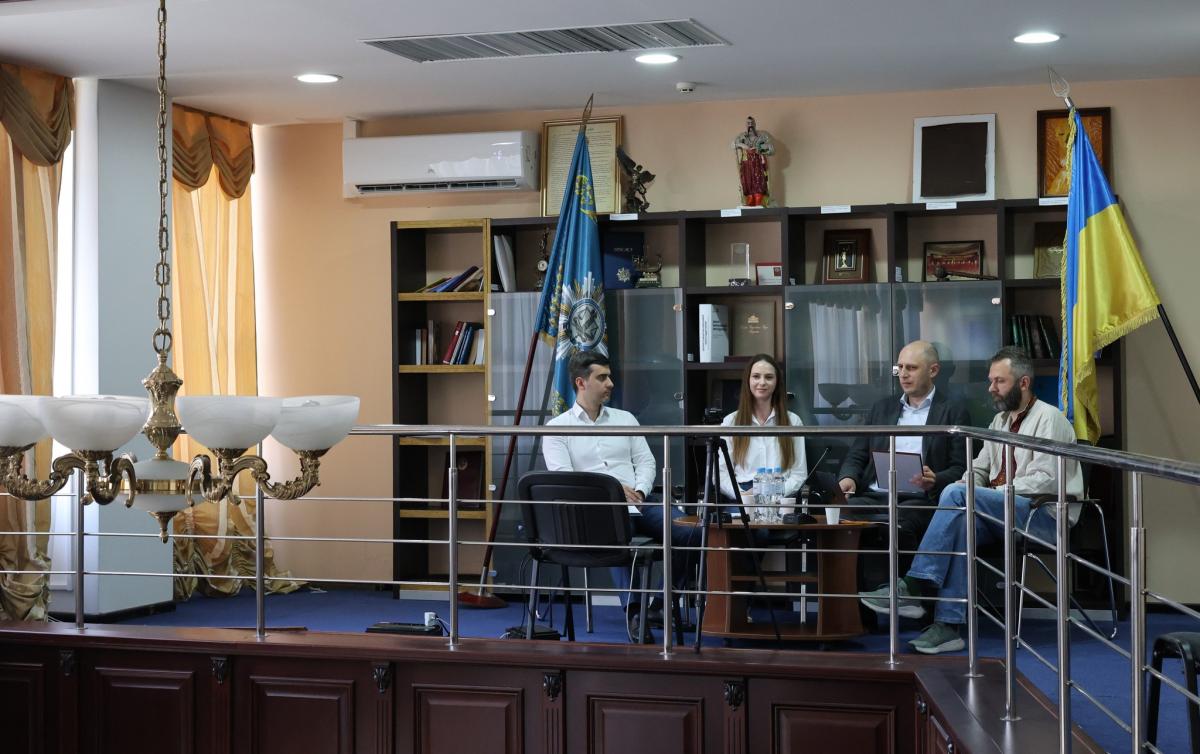
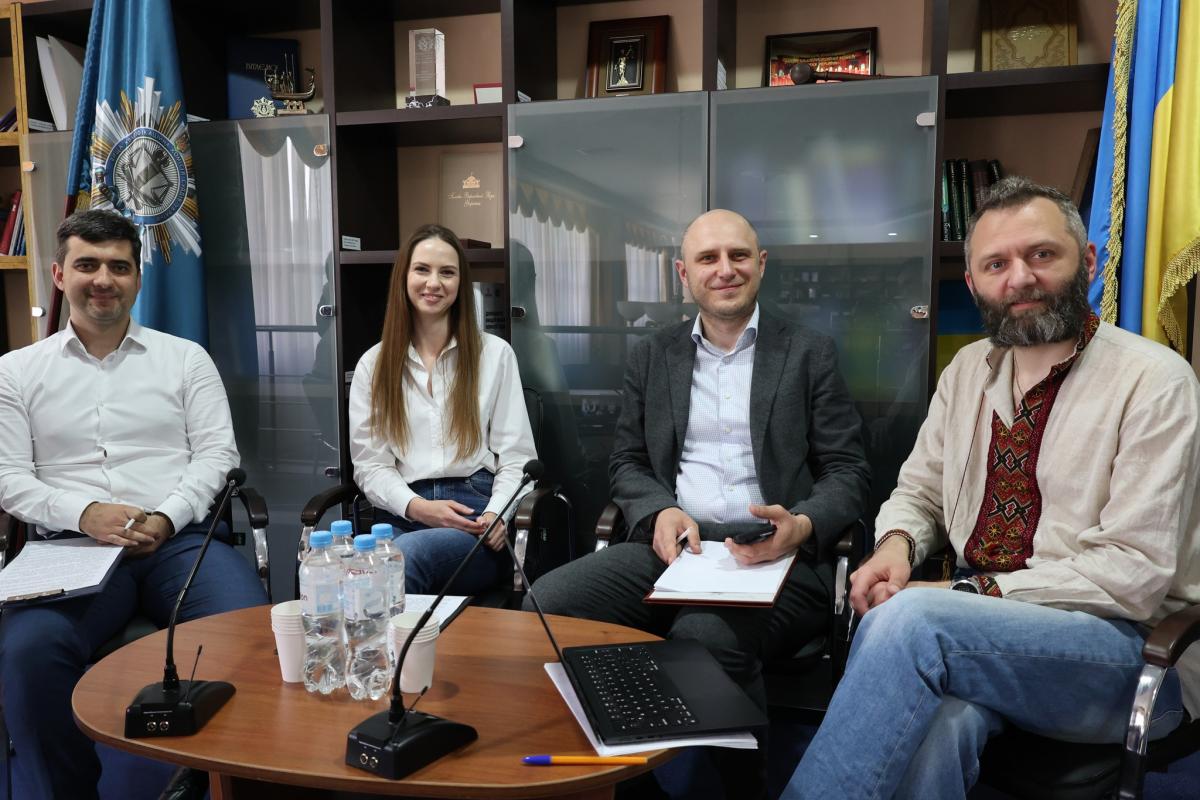
On May 22, 2026, the Commission hosted an online presentation entitled “Transparent Processes – Confidence in the Outcome: The Practice of the HQCJ” as part of Open Government Week.
Representatives of the Commission’s Secretariat presented practices aimed at ensuring the openness and transparency of judicial career procedures, advancing e-governance, and promoting the digitalisation of the HQCJ’s operational processes.
In particular, the presentation addressed the management of open data, ensuring access to public information, and the implementation of modern digital solutions.
Taras Neshyk, Deputy Head of the HQCJ’s Secretariat and moderator of the event, noted that openness is one of the Commission’s fundamental principles and an integral component of its activities. He introduced participants to the key areas of the HQCJ’s work in ensuring the transparency of judicial selection and assessment procedures, emphasising that the Commission’s approaches to openness continue to evolve, while open data sets are becoming increasingly comprehensive and more user-friendly for processing and analysis.
What Has Already Been Accomplished:
- 20 open data sets have been published;
- data relating to competitions and procedures have become more structured and accessible;
- data sets on the results of judges’ qualification assessments, automated case allocation, and Commission decisions have been structured;
- data identifiers have been introduced to facilitate data analysis.
Deputy Head of the Commission’s Secretariat (CDTO), Pavlo Kulyk, emphasised that digitalisation is a key prerequisite for a public authority’s ability to operate efficiently and effectively, particularly when processing large volumes of data. Using the selection procedure for judges of local courts as an example, he demonstrated how the computerisation of testing stages enabled the prompt processing of results and their publication in the shortest possible time. Efforts are currently under way to expand digital tools and ensure the broadest possible transition of data into digital and open formats.
Director of the Department of Judicial Career, Oleh Rybchuk, noted that information on competitions is published in advance on the Commission’s official website and that decisions regarding the admission of candidates to participate in competitions are publicly available. Particular attention was paid to the qualification exam and candidate interviews, which are conducted via live online broadcasts, with the results being promptly published on the Commission’s website. He also reported on the creation of the “Candidates for the Position of a Judge” section, which enables users to track candidates’ progress through all stages of competitive selection procedures, as well as to review relevant decisions and video broadcasts.
Head of the Public Information Sector, Valeriia Ovdiienko, highlighted the updated approach to structuring certain open data sets published on the national open data portal and the Commission’s official website. In particular, information on the results of judges’ qualification assessments has been further detailed by procedure type and supplemented with links to Commission decisions and information concerning appeals against such decisions. Work is also ongoing to improve the resource containing information on the results of automated case allocation.
High-quality open data form the foundation of a modern state.
Further details on these and other matters are available in the broadcast: https://youtu.be/k2h2y9bBsZg?si=Gu--oeRLYrfzBrvP
For reference:
The Open Government Partnership is an international initiative aimed at bringing together the efforts of governments and civil society to bring about positive change in the lives of citizens. Under the Initiative, participating countries, in collaboration with civil society, implement measures aimed at ensuring access to public information, strengthening public participation in decision-making, increasing the accountability of public authorities, and developing technologies and innovations to ensure openness and transparency in governance.