
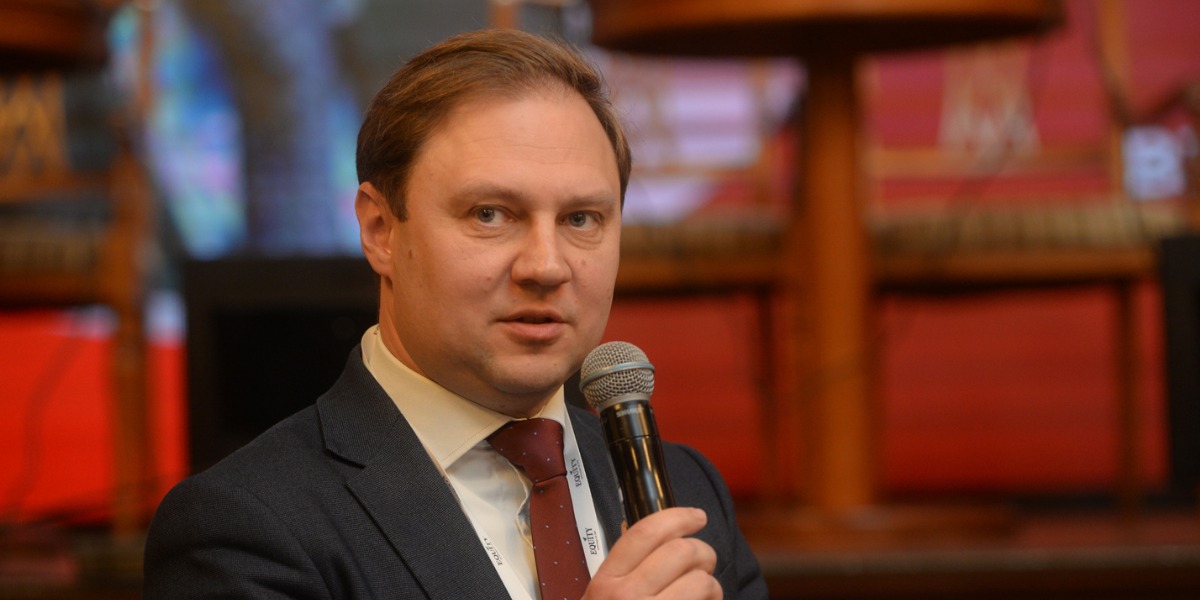
On June 05, 2026, Andrii Pasichnyk, the Chairman of the High Qualification Commission of Judges of Ukraine, participated in the XIV International Judicial and Legal Forum, an annual event bringing together leading legal experts, representatives of public authorities, judiciary and legal community.
Together with Mykola Onishchuk, Rector of the National School of Judges of Ukraine, the Chairman of the HQCJU took part in an open interview entitled “Judicial Staffing: Achievements and Challenges”. Andrii Pasichnyk provided an update on the current state of judicial vacancies and outlined the Commission’s key measures aimed at addressing the shortage of judges.
The Chairman emphasised that the HQCJU is making every effort to overcome the staffing deficit; however, addressing this issue requires a comprehensive approach. While competitions for judicial positions are an important means of easing the workload of serving judges, other priorities include optimising the court network, ensuring a more balanced distribution of caseloads among courts, and reducing the number of repetitive disputes that could be avoided if public authorities properly took established judicial practice into account.
The Chairman of the HQCJU noted that the selection process for local court judges is ongoing. The Commission is currently reviewing approximately 3,000 practical assignments. Some papers have already been assessed and the results are being published on a rolling basis. This stage is expected to be completed in June, with interviews with candidates scheduled to commence towards the end of 2026.
“I hope that we will see the first appointments to local courts early next year”, the Chairman of the HQCJU stated.
Particular attention was devoted to competitions for courts of appeal. According to the Chairman of the Commission, procedures for courts with the heaviest caseloads have either already been completed or are nearing completion, including those in Sumy, Zaporizhzhia, Mykolaiv, Zhytomyr and Odesa. Interviews with candidates for appellate courts in Kyiv, Lviv, Dnipro and Kharkiv are currently underway.
“The Commission is making every effort to significantly improve the staffing situation in the courts of appeal by the end of the year. Some candidates have already received recommendations from the Commission, while the nominations of others are currently under consideration by the High Council of Justice”, Andrii Pasichnyk stressed.
According to the Chairman, throughout 2025–2026 the Commission conducted approximately 700 interviews and recommended nearly 200 candidates for the appointment.
Competitions for the positions at the Specialised Circuit Administrative Court and the Specialised Administrative Court of Appeal are also ongoing. At present, around 160 practical assignments submitted by candidates are being reviewed. The next stage involves the participation of international experts within the framework of the Expert Council. The Council comprises three representatives of Ukraine and three representatives delegated by international organisations. Together with them, the Commission will conduct interviews with candidates.
“We have already agreed organisational and procedural arrangements with the international experts. We expect to conduct interviews in the autumn and submit recommendations regarding the successful candidates by November”, the Chairman of the HQCJU said.
In conclusion, Andrii Pasichnyk expressed confidence that 2027 would become a turning point for the judiciary in terms of staffing.
“The beginning of 2027 should mark the point at which we can speak of a shift from a negative to a positive trend. Our task is to ensure that courts are staffed with an adequate number of qualified judges and to secure the stable functioning of the judicial system”, the Chairman of the HQCJU concluded.
Please be reminded that the XIV International Judicial and Legal Forum was organised by Yurydychna Praktyka with the support of the Supreme Court. This year’s forum focused on the functioning of the justice system and the protection of rights under martial law. Particular attention was devoted to the challenges facing the judiciary in the context of the war and Ukraine’s European integration reforms.

 Photo source: “Yurydychna Praktyka”